

The benefits of Girls on the Run last far beyond the finish line. Through a research-based curriculum that combines physical activity with social-emotional learning, Girls on the Run helps girls develop confidence, build healthy relationships, and practice important life skills. But what happens when the season ends? Do those lessons stick?
The Girls on the Run Alums Study offers an encouraging answer: Yes!
By following former participants into eighth grade, this groundbreaking longitudinal study by Dr. Maureen Weiss (University of Minnesota), Dr. Lindsey E. Kipp (Texas State University), and Dr. Thelma S. Horn (Miami University) provides evidence that the skills girls learn at Girls on the Run continue to influence how they navigate school, friendships, and their own sense of self years after participating.
The findings showcase what we call The GOTR Effect: girls develop life skills, strengthen how they see themselves, and learn to build supportive relationships. Those benefits can last well beyond the season.
Here’s a closer look at what the research reveals.
Life Skills That Last
Girls on the Run is intentionally designed to teach life skills alongside physical activity. Whether girls are navigating friendships, managing big emotions, or handling academic pressures, they need tools they can carry with them through every stage of life.
The Alums Study found that these lessons continued to make a difference years later:
- 85% of alums interviewed identified specific skills and strategies they learned in Girls on the Run and still use now as eighth graders.
- 91% of alums said GOTR helped them resolve conflicts with peers — for example, listening to friends during disagreements, trying to work things out, and sharing how they feel.
- 89% said GOTR influenced their ability to set and achieve goals, such as creating a plan for doing better in school or setting goals to achieve their personal best.
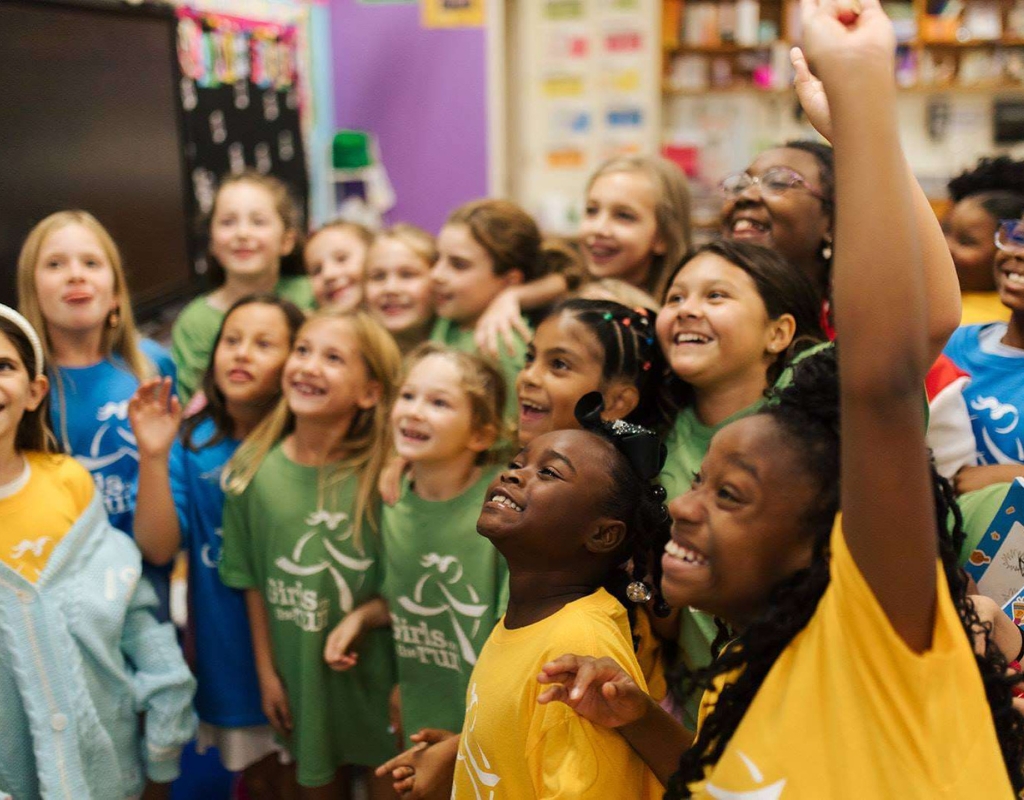
One alum shared how she still uses breathing techniques she learned at GOTR to relax when she feels stressed: “I have a really bad time taking exams. I get really stressed out … we learned the breathing method for Girls on the Run that helps me out. You breathe in, hold, breathe out, hold, breathe in, hold, breathe out. That works out pretty well. It calms you down a little; it just gets me to answer the questions.”
These everyday moments demonstrate an important part of The GOTR Effect: girls don’t just learn skills during practice. They learn how to apply them when life gets complicated.
Confidence that Grows
At Girls on the Run, participants are encouraged to embrace the things that make them unique, celebrate their accomplishments, and believe in their limitless potential.
The Alums Study found that the impact of these lessons was still evident in middle school. In interviews, 9 in 10 girls shared that Girls on the Run positively influenced how they see themselves.
For some girls, that confidence showed up in their willingness to try new physical activities. One former participant shared how discovering a love of running through Girls on the Run helped her feel confident enough to continue with track and field: “Girls on the Run showed me I’m much more physically capable than I realized. I never thought of myself as a runner or anything like that, but then I was running … I felt like I got so much faster. Then I did track, and I placed, and it just made me so much more confident and made me feel physically fit.”
When girls learn to recognize their strengths and believe in themselves at a young age, those lessons can become part of how they approach new experiences, challenges, and opportunities as they grow.
Stronger Together
Feeling connected, accepted, and supported is an important part of growing up. Healthy friendships help girls develop a sense of belonging, navigate challenges, and feel comfortable being themselves.
Girls on the Run creates an environment where participants can practice building those connections. Through team activities, group discussions, and lessons about kindness, empathy, and respect, girls learn what it means to be a good friend and how to support one another.
The Alums Study found that these lessons had a lasting influence on relationships:
- In interviews, 9 in 10 girls discussed positive changes because of GOTR in how they interact with peers and how they approach friendships.
- 93% said GOTR strengthened their ability to help others — by comforting a friend who is upset, listening to their problems, or offering to help when someone has a problem.
“Girls on the Run improved me socially,” one alum recalled. “It made me more outgoing, more willing to talk to people, and let me come to them instead of letting them come to me. It was easier for me to make more friends after that … it improved the way I talked to my friends and the way I made friends.”
Throughout the Alums Study, interviews showed improved relationship skills, such as making strong friendships, being supportive of others, treating others with respect, and becoming more accepting of others, providing strong support that Girls on the Run is having an enduring positive impact on self-perceptions and social relationship skills.
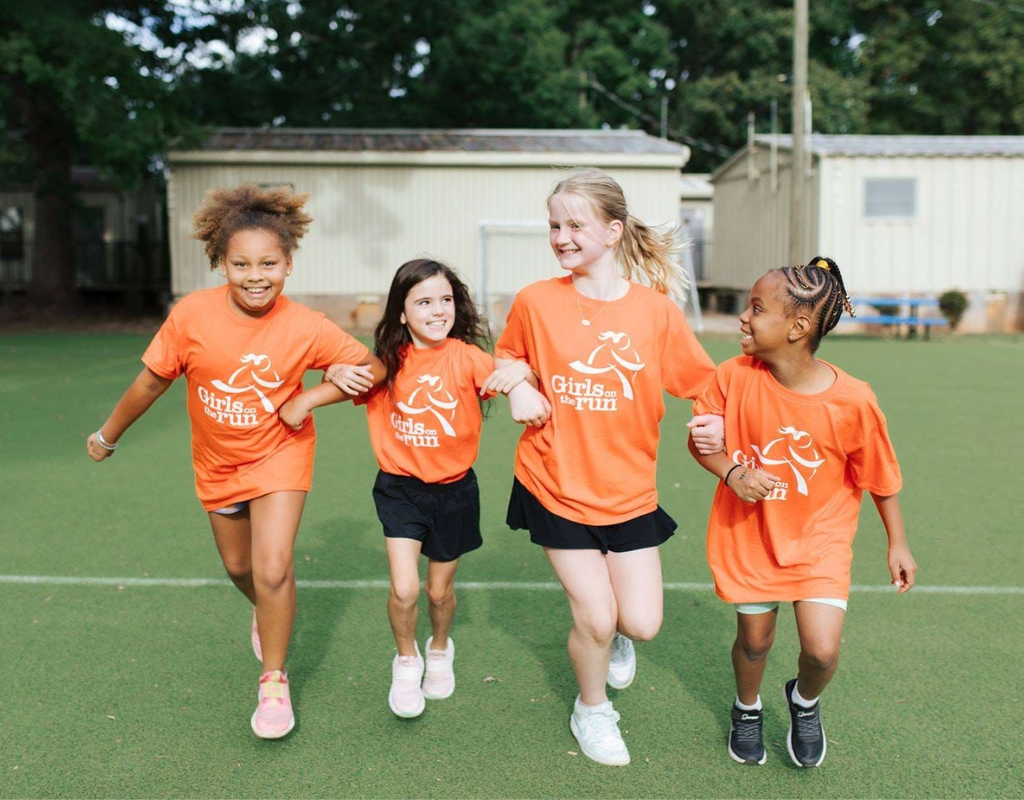
The Girls on the Run Alums Study offers something special: a look at how experiences during childhood can continue to shape girls’ lives years later.
Across the findings, one message stands out. The benefits of Girls on the Run extend beyond physical activity and the end-of-season 5K. Girls develop practical life skills, build confidence in who they are, and learn how to create meaningful, supportive relationships, and perhaps most importantly, how to carry those lessons with them.
Want to learn more about this landmark research? Read the Girls on the Run Alums Study and explore the findings.
Ready for your girl to experience The GOTR Effect? Find your local Girls on the Run council and sign her up for an upcoming season!