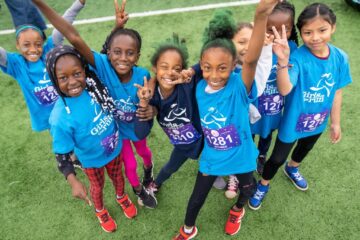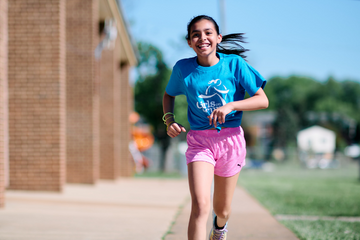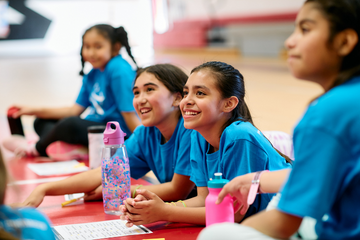

At Girls on the Run, girls build confidence, connection, and life skills through movement, meaningful conversation, and support from trained, caring coaches. Amanda Muhammad, founder of Mako Mindfulness, sees that connection between movement, self-awareness, and emotional well-being as central to mindfulness.
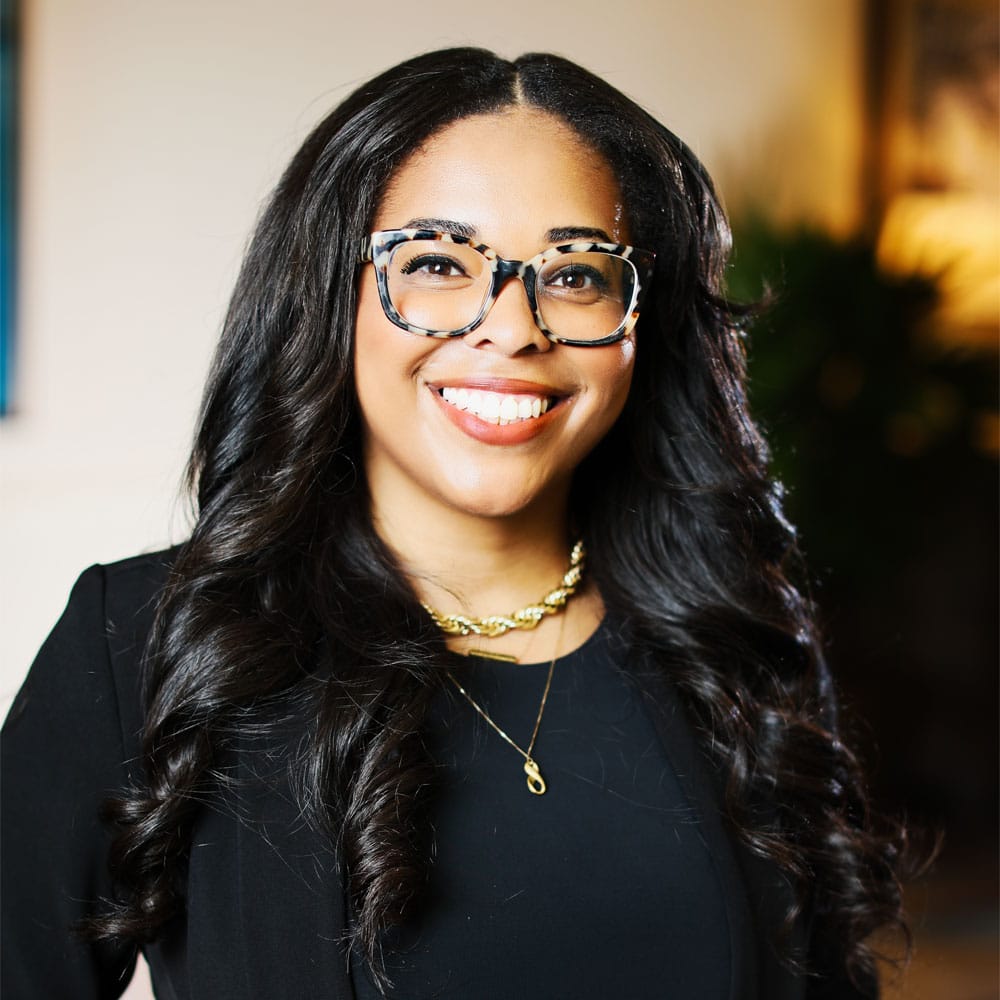
Amanda is an international mindfulness-based stress management and psychological safety consultant based in Dallas, Texas. Through Mako Mindfulness, she supports schools and organizations with practical tools to manage stress, strengthen communication, and build healthier, more resilient cultures.
At Girls on the Run, we help girls build confidence, connection, and life skills through movement and meaningful conversation. Where do you see mindfulness fitting into the Girls on the Run experience?
Amanda Muhammad: Honestly, everything about that is mindfulness. In its simplest form, mindfulness is present awareness. When you get someone to slow down enough to move intentionally and then build on that moment through meaningful conversation, you are giving them a really beautiful and powerful practice.
So much of how we talk about stress management focuses on what is happening in our heads, but not enough on what it does to our bodies. We carry tension in our shoulders, jaw, belly, and back. Finding ways to release stress through movement, not just talk about it or think through it, is such a gift to our mental health.
To layer on top of that the kinds of conversations Girls on the Run is creating, about confidence, authentic connection, and life skills, equips girls with something they will carry far beyond the program.
Many of our coaches are volunteers, not mental health professionals. How can volunteer coaches create a sense of psychological safety?
AM: Psychological safety is about creating an environment where people can make mistakes, learn, contribute ideas, and bring their authentic selves. And you do not have to be a mental health professional. You just have to be intentional about how you show up and mindful of the atmosphere you are creating.
I always say, “Start with yourself.” If you need to be present for these girls, you have to first make sure you are in a good space. The same way you are advocating for them to take care of themselves, you have to model that it is OK to take care of yourself, too.
Think about the energy in the room when a girl makes a mistake, and you address it. Think about how you receive it when she brings up an idea she is excited about. Those moments are where we witness psychological safety, or the absence of it.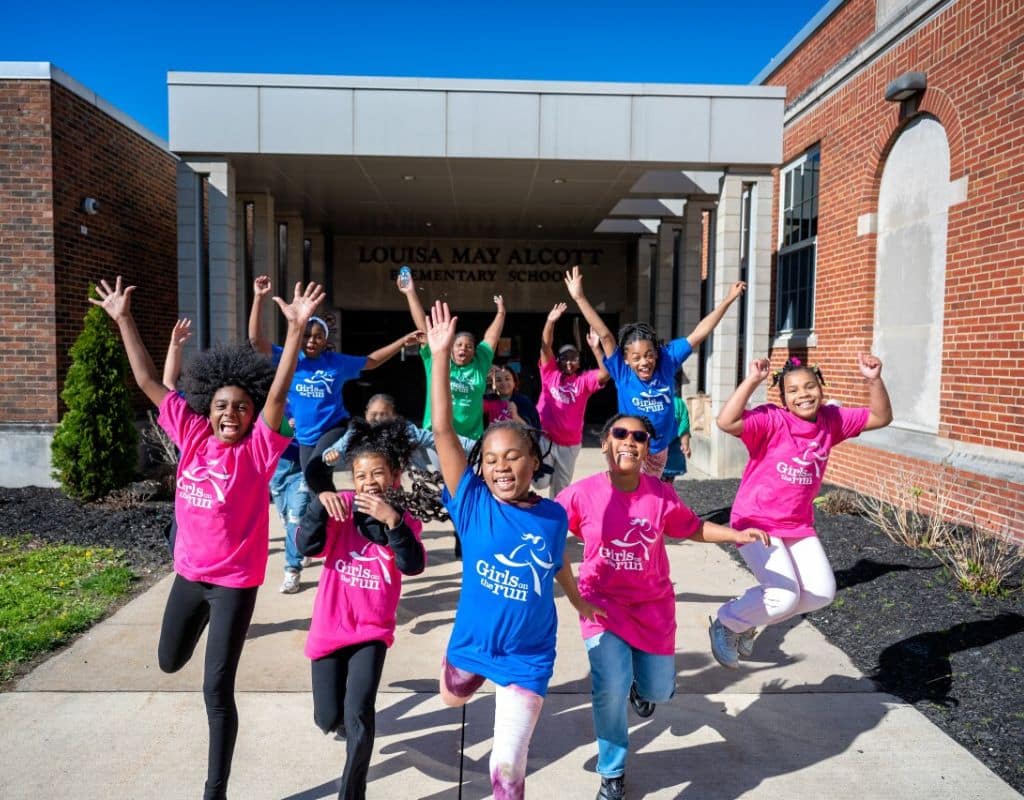
We often talk about helping girls develop skills they can use in real moments — managing emotions, navigating friendships, and making decisions. What are one or two mindfulness-based tools that are especially helpful for those situations?
AM: If you walk away with anything, let it be breathwork. It is one of the most powerful tools you will ever use, and it is always with you. Breath can calm us down, give us energy, or anchor us when we are walking into a tough situation and need to think clearly.
The second tool I would offer is affirmations, but not in the way people sometimes think about them. It is not just about saying something you want to feel. If you want to say, “I am a good friend,” but do not quite feel that way yet, ask yourself: What are three things you can do to close that gap?
The practice is in finding what you want to be able to say about yourself and then putting things in place that move you closer to it. That is where the real power lives.
Our recent research on GOTR alums shows that girls continue using strategies like deep breathing and pausing to think through decisions years after the program. Why do those kinds of simple practices stick and make such a lasting impact?
AM: These tools stick because they are inherently yours. You already have the ability to take a deep breath. You already have the ability to slow down. Choosing to use those tools intentionally is always available to you.
What I imagine happened with those girls is that they did not just learn about these tools. They practiced them repeatedly until they became muscle memory. Once you have seen breathwork work in a real moment, or paused before responding and watched how that changed an outcome, it is hard to let that go.
That is the real gift Girls on the Run is giving these girls. You are equipping them with tools that become part of their life framework.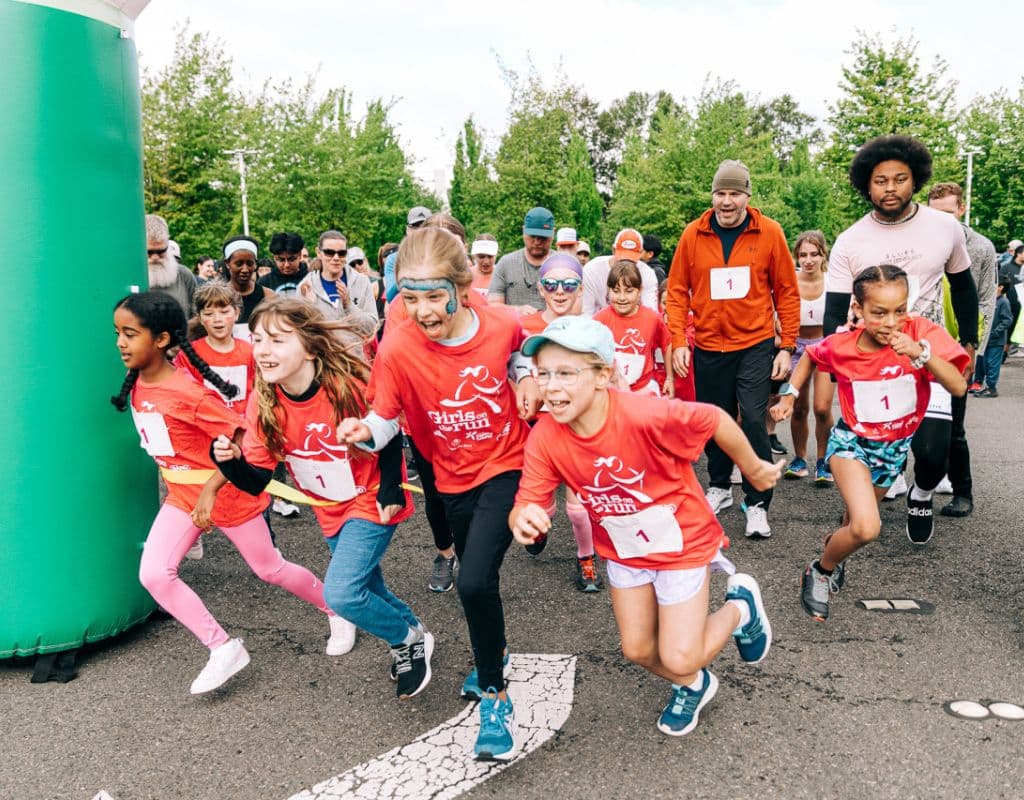
If every girl could leave Girls on the Run with one skill or mindset, what would you hope it would be?
AM: Confidence.
So much of what we navigate as we grow up comes down to confidence. It is what helps you walk into a room and know you belong there. It gives you the clarity to know what you want in a relationship and the strength to say no to what you do not.
When girls have the opportunity to learn who they are and strengthen that muscle of confidence, they become harder to rattle. Life will inevitably throw things at them that are startling and hard. But confidence gives them the tools to know they can handle it.
Amanda Muhammad will speak at the 2026 Girls on the Run Summit, where she will share more practical tools for mindfulness, stress management, and building psychologically safe spaces for girls and adults.